Mobile Treatment Services · Lanham & Wheaton
Mobile Treatment Services in Lanham & Wheaton, MD That Come to You
Our mobile treatment services bring an entire mental health team to the people who need it most, adults and young people for whom regular office visits haven't been enough.
Lanham main office · 301-731-1222
- Who
- Children, adolescents and adults
- Format
- Assertive outreach in the home and community, with on-call coverage
- Team
- Psychiatry, nursing, social work, counseling, advocacy
- Accreditation
- CARF Accredited Mental Health Programs

- CARF accredited
- Medicaid & Medicare
- Telehealth available
- Se habla español
What are mobile treatment services in Maryland?
Mobile treatment services (MTS), also known as Assertive Community Treatment (ACT), are part of Maryland's Public Behavioral Health System. They provide intensive, assertive outpatient mental health treatment for people who can't or won't use traditional clinic-based care. Instead of asking someone to keep appointments at an office, a multidisciplinary team brings evaluation, treatment, medication support and help with daily living to the person's home, shelter or community.
At McGuire Therapeutic Services, our mobile treatment program is based in our Lanham and Wheaton offices and, like all of our mental health programs, is CARF accredited. We serve people across Prince George's and Montgomery Counties, including Landover, Largo, Hyattsville, College Park and Silver Spring. For many participants, it is the first time care has felt built around their life rather than the other way around.
Who mobile treatment is for
Mobile treatment is designed for children, adolescents and adults living with serious mental health conditions who have already tried standard outpatient treatment without lasting relief, or who have had repeated psychiatric hospitalizations. Often, these are people who find it hard to get to appointments because of symptoms, transportation, homelessness or unstable housing, or past experiences with the system.
If a loved one keeps cycling between the emergency room, the hospital and home, mobile treatment may be the missing piece. It offers consistent contact with a team that knows them well, notices early warning signs, and responds before a hard week turns into a hospital stay. Families often tell us the hardest part was not knowing who to call. With mobile treatment, there is a team that already knows the history.
Mobile treatment may help if someone:
- Has had repeated psychiatric hospital stays or frequent ER visits
- Has tried outpatient therapy and medication without enough improvement
- Struggles to keep office appointments because of their symptoms
- Lives with psychosis, bipolar disorder or another serious mental illness
- Is experiencing homelessness or unstable housing
- Needs help managing medications, housing or basic daily routines

Your mobile treatment team
Mobile treatment works because no one person carries the whole load. Each member of our team brings a different kind of expertise, and they meet regularly to make sure everyone sees the full picture. The result is one coordinated plan instead of several disconnected services, and one set of familiar faces instead of a new stranger at every appointment.
Team members include
- Consulting psychiatrist for evaluation and treatment decisions
- Psychiatric nurse practitioner for medication management and monitoring
- Licensed social workers for case coordination, housing and benefits
- Licensed counselors and therapists for individual and family therapy
- Mental health advocate who helps the person's voice be heard
- Public health educators who teach wellness and illness management
How assertive outreach works
Assertive outreach means we don't wait for someone to come to us. Maryland's MTS model calls for at least four face-to-face contacts a month, plus on-call coverage around the clock for enrolled participants. Team members visit regularly, follow up when appointments are missed, and stay in touch through good weeks and hard ones. A visit might include a medication check, a therapy session, or practice with a skill like grocery shopping.
Families are part of the work whenever the person wants them to be. We also coordinate with hospitals, pharmacies, primary care providers and housing supports so care stays connected. As stability grows, the goal is often a gradual step down to less intensive services, such as our psychiatric rehabilitation program, outpatient counseling and medication management.
Mobile treatment vs. a mobile crisis team
The names sound alike, but the services are different. A mobile crisis team responds to an emergency happening right now, usually for a single visit, to help someone stay safe and connect to care. Mobile treatment is ongoing, scheduled, long-term care from the same team, designed to prevent crises before they start. Someone might meet a crisis team first and later be referred to mobile treatment for steadier support.
If someone is in immediate danger, call 911. For a mental health crisis, call or text 988, the Suicide & Crisis Lifeline, any time of day or night. In Prince George's County, you can also call the county crisis line at 301-429-2185. Mobile treatment is not an emergency service, so please don't wait for a scheduled visit if someone's safety is at risk.
In a crisis, call or text 988, call 911, or in Prince George's County call 301-429-2185.
Referrals, Medicaid and getting started
Mobile treatment is a Medicaid-covered service in Maryland's Public Behavioral Health System, and it requires prior authorization based on medical necessity. Referrals often come from hospitals, psychiatrists, outpatient therapists, case managers or family members. Our team gathers the clinical information needed, handles the authorization request, and lets you know what to expect at each stage.
To discuss a mobile treatment referral, call our Lanham office at 301-731-1222. You can also reach us through our contact page. We will ask a few questions about current symptoms, hospital history and treatment so far, and then explain the next steps clearly. If mobile treatment isn't the right fit, we'll help you think through other options.
How it works
- 1
Call or send a referral
A provider, hospital, case manager or family member contacts our Lanham office.
- 2
Clinical review and authorization
We review treatment history and request prior authorization through Maryland's Public Behavioral Health System.
- 3
Team assessment
Team members meet the person where they are and build a coordinated treatment plan.
- 4
Ongoing outreach
Regular visits in the home and community, with step-down to less intensive care as stability grows.

CARF Accredited
CARF International accreditation demonstrates a program’s quality, transparency, and commitment to the satisfaction of the persons served. CARF is an independent, nonprofit accreditor of health and human services, and our accreditation means our programs are measured against rigorous international standards.
Frequently asked questions
Mobile Treatment Services: your questions, answered
Still wondering about something? Talk to a real person. 301-731-1222
What are mobile treatment services in Prince George's County?
Mobile treatment services, also called Assertive Community Treatment (ACT), are intensive mental health care delivered by a team that comes to the person's home or community. McGuire Therapeutic Services provides CARF-accredited mobile treatment from our Lanham and Wheaton offices for children, adolescents and adults in Prince George's and Montgomery Counties who haven't been helped enough by regular outpatient treatment.
Who qualifies for mobile treatment in Maryland?
Mobile treatment is generally for people with serious mental health conditions who have exhausted traditional outpatient treatment, have had repeated psychiatric hospitalizations, or can't use clinic-based care. Services require prior authorization based on medical necessity through Maryland's Public Behavioral Health System. Call us at 301-731-1222 and we can talk through whether a referral makes sense.
Does Medicaid pay for mobile treatment services?
Yes. Mobile treatment is a Medicaid-covered service within Maryland's Public Behavioral Health System when it is authorized as medically necessary. Our team handles the prior authorization request. If you have other coverage, see our rates and insurance page or call so we can check your options.
How is mobile treatment different from PRP?
PRP focuses on building daily living and social skills alongside a person's existing therapist and psychiatrist. Mobile treatment is more intensive: the team itself provides psychiatric care, medication management, therapy and case coordination, usually for people with more complex needs or repeated hospital stays. The two generally aren't provided at the same time, but some people move from mobile treatment to PRP as they stabilize.
Can a family member make a mobile treatment referral?
Families are welcome to call us to start the conversation. We'll ask about the person's symptoms, hospital history and current treatment, and explain what's needed for a referral and authorization. With the person's permission, we often work closely with family throughout care. Our family therapy services can also support relatives.
Is mobile treatment the same as a mobile crisis team?
No. A mobile crisis team responds to an emergency in the moment. Mobile treatment is ongoing, scheduled care from the same team that helps prevent crises. If someone is in danger, call 911. For a mental health crisis, call or text 988 any time, or in Prince George's County call the crisis line at 301-429-2185.
Community Programs
Related services

Psychiatric Rehabilitation (PRP)
CARF-accredited PRP for adults and children 6+, delivered in the home and community across Prince George's and Montgomery Counties.
Learn moreMedication Management
Psychiatric assessment and medication follow-ups, coordinated with your counseling.
Learn more
Outpatient Mental Health Clinic (OMHC)
Counseling, psychiatric assessment and medication management for children, teens, adults and families.
Learn more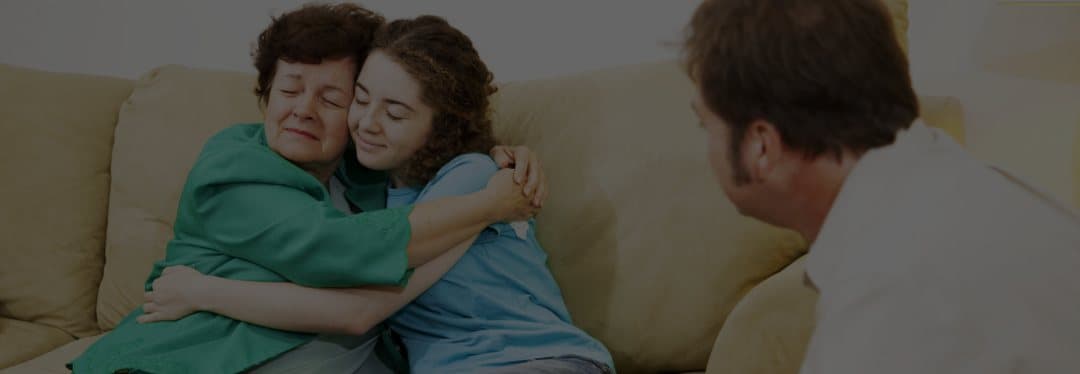
Family, Teen & Child Therapy
Play and art therapy for kids, counseling for teens, and family sessions that ease conflict at home.
Learn moreStart here
Take the first step toward feeling like yourself again.
Call, email or request an appointment online. We’ll listen, answer your questions, and match you with the right clinician or program.